No products in the cart.
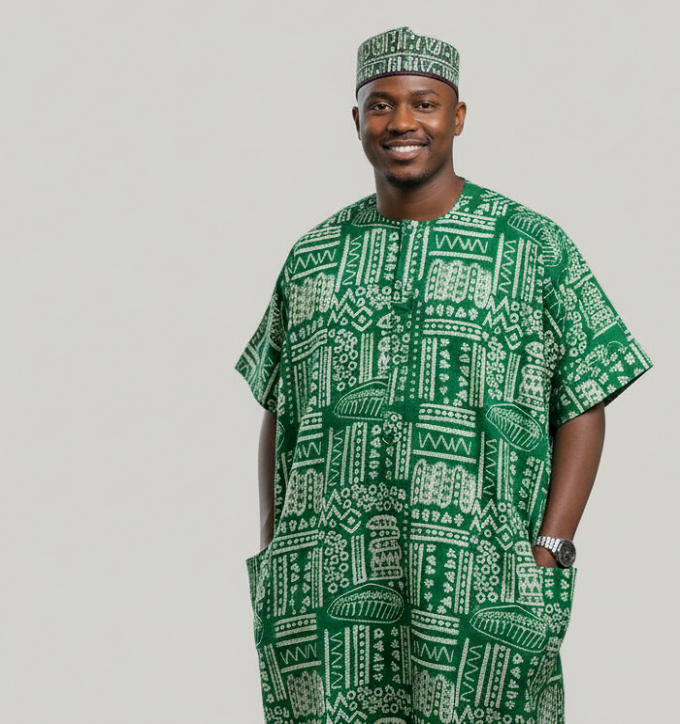
Beyond Ankara: Discovering the Rich Tapestry of Nigerian Fabrics
At Ikrest, we believe that style is a story. And while the vibrant, wax-resist prints of Ankara tell a beautiful and modern tale, they are just one chapter in the epic narrative of Nigerian textiles. Our fashion heritage is a woven chronicle of royalty, resilience, and artistry, waiting to be rediscovered and worn with pride.
So, let’s journey beyond the familiar and explore the profound beauty of indigenous Nigerian fabrics—the timeless threads that form the very soul of our sartorial identity.
Aso Oke: The Crown Jewel of Yoruba Elegance
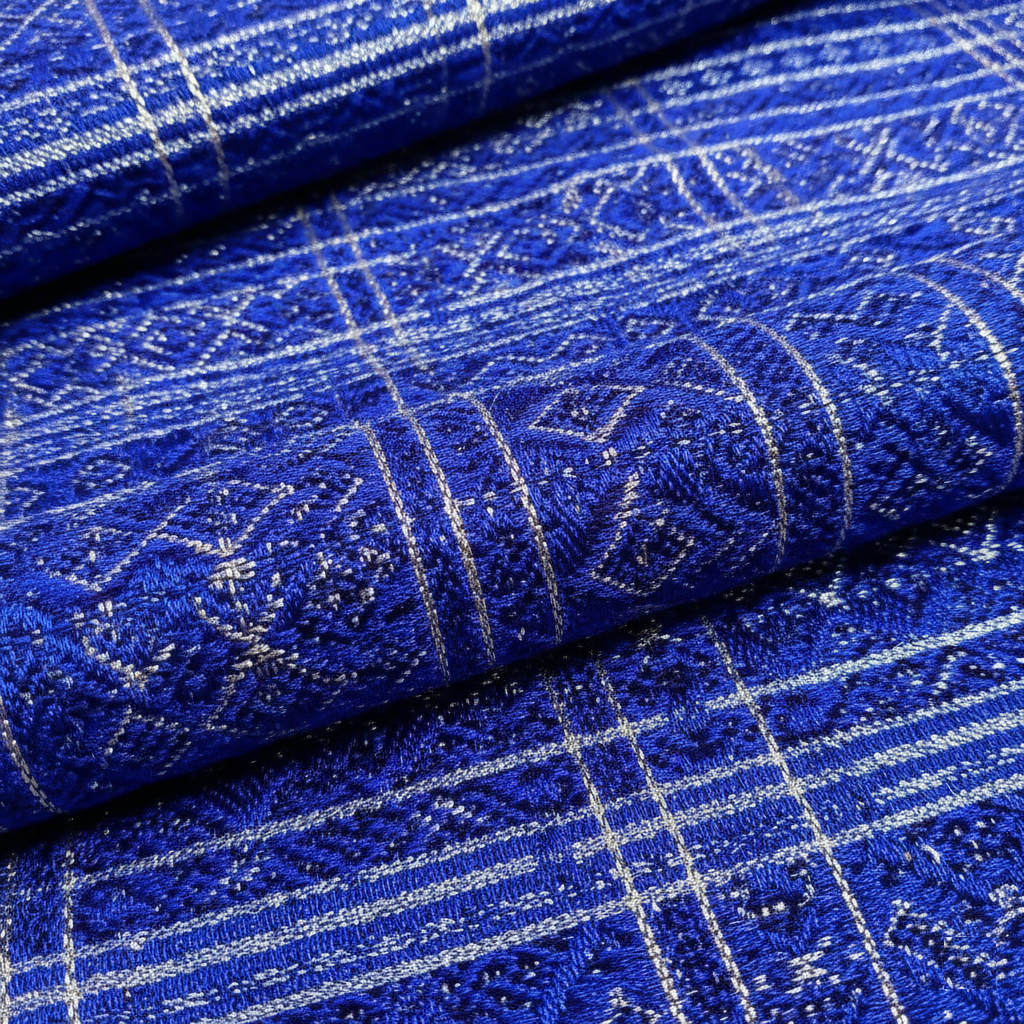
Pronounced Ah-Sho-Oh-Kay, which literally means “top cloth,” Aso Oke is the traditional prestige cloth of the Yoruba people. Woven on narrow-strip looms, this fabric was historically reserved for royalty, chiefs, and for special occasions like weddings, funerals, and festivals.
- The Craft: Its creation is a labor of love and patience. Artisans hand-weave cotton, silk, or metallic threads into intricate patterns, often with a raised, embroidered effect.
- The Signature Styles: Look for distinct types like
Sanyan(made from anaphe wild silk and brown in colour),Alaari(a rich, crimson red), andEtu(the dark indigo “guinea fowl” pattern, symbolizing prestige and subtlety). - The Ikrest Touch: At Ikrest, we reimagine Aso Oke for the contemporary wardrobe. Imagine a structured blazer with subtle Aso Oke trim, or a modern clutch bag crafted from a patch of exquisite Etu. It’s a way to carry a piece of history with you, every day.
Akwa-Ocha: The Anambra Linen of Purity
Hailing from the Igbo people, particularly in Anambra State, Akwa-Ocha (meaning “white cloth”) is a symbol of purity, peace, and light. This stark white woven cloth, often with subtle, elegant patterns, is deeply ceremonial.
- The Significance: It is the fabric of title-taking, marriages, and significant cultural rites. Its pristine white colour represents spiritual cleanliness and new beginnings.
- The Modern Appeal: The minimalist trend has made Akwa-Ocha more relevant than ever. Its clean, textural aesthetic is perfect for sophisticated, modern designs. Think of a sleek, tailored Akwa-Ocha trouser set, a crisp poplin shirt with Akwa-Ocha detailing, or an elegant cape for a minimalist bride.
- Wearing the Light: Incorporating Akwa-Ocha into your style is a statement of refined elegance and a deep connection to cultural roots.
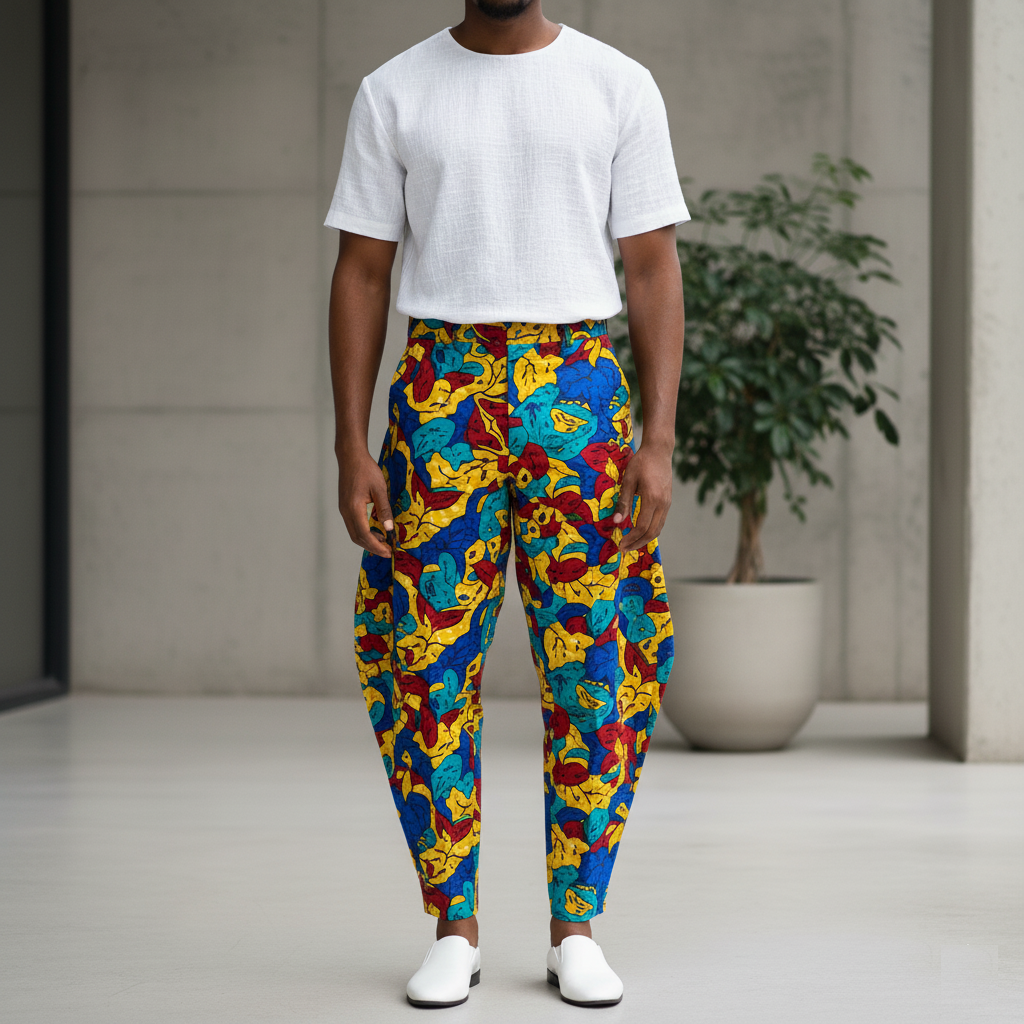
Adire: The Indigo-Dyed Poetry of Egba Women
Adire, meaning “to tie and dye,” is one of Nigeria’s most recognizable art forms, pioneered by the Egba women of Abeokuta. This resist-dyeing technique creates stunning, unique patterns that are literally wearable art.
- The Techniques: There are two main types:
- Adire Eleko: Patterns are hand-painted with a starch paste using a chicken feather, card, or stick.
- Adire Oniko: Patterns are created by tying the cloth with raffia or stitching before dyeing.
- The Evolution: While traditional Adire uses a signature indigo dye, contemporary designers (and Ikrest!) are playing with a full spectrum of colours, pushing this ancient craft into the future.
- Your Unique Story: Every piece of Adire is one-of-a-kind. When you wear Adire, you are wearing a canvas of human creativity. From bold dresses to statement accessories, it adds an authentic, artistic flair to any look.
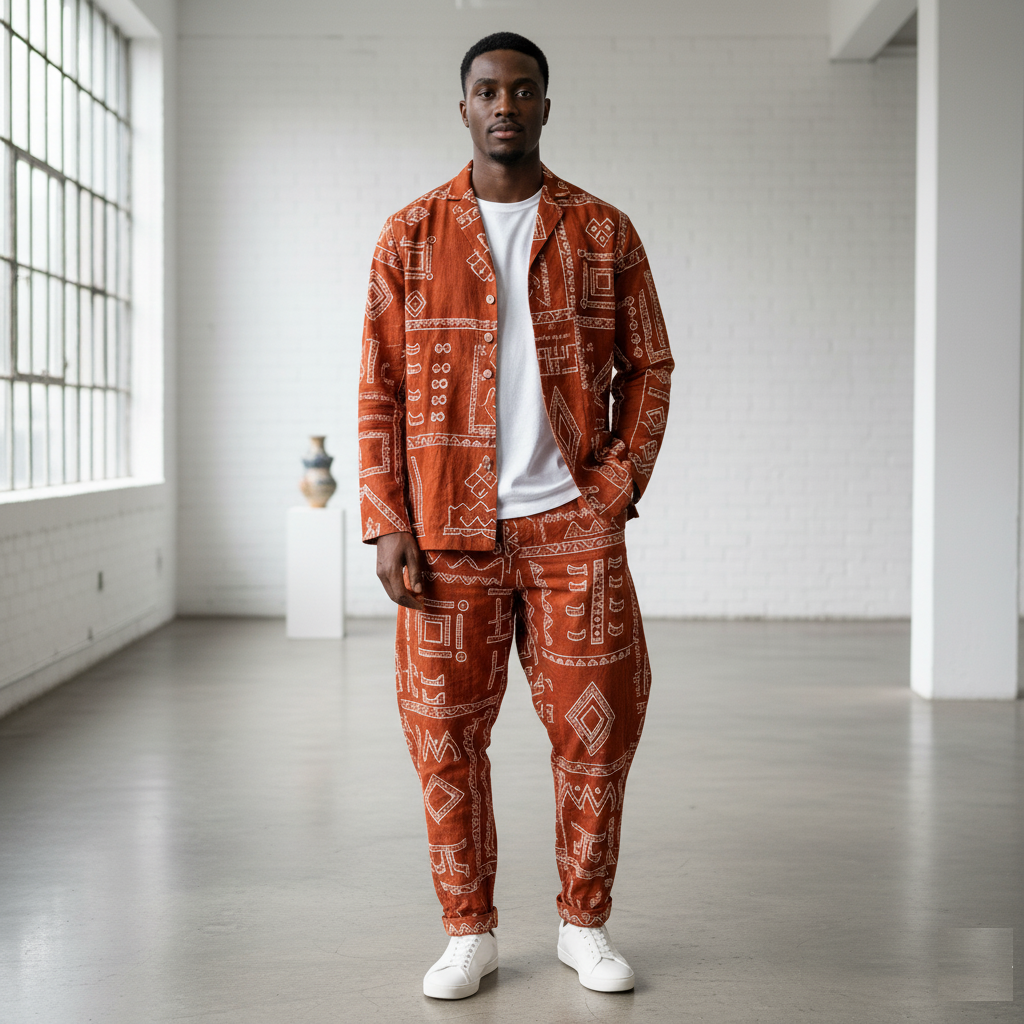
George Fabric: The Niger Delta’s Symbol of Opulence
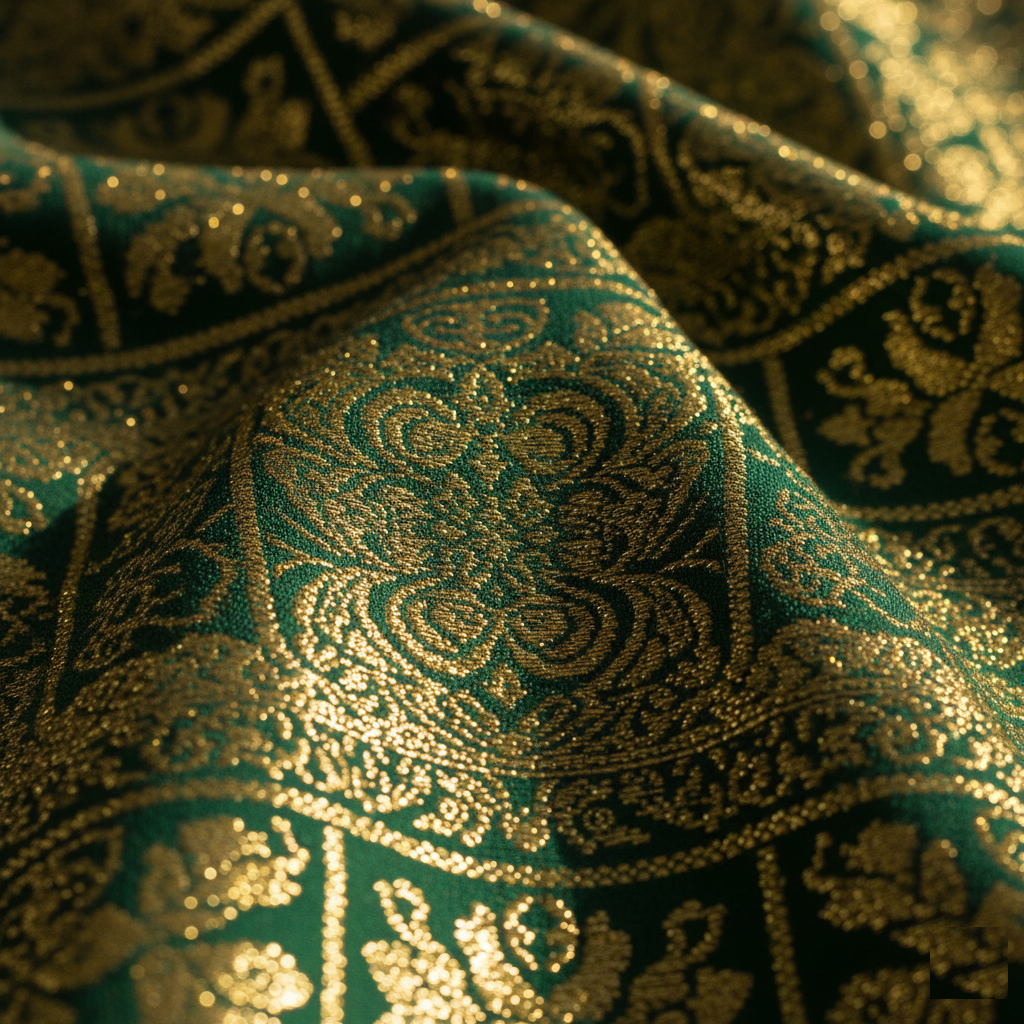
While its origins trace back to India, the George fabric has been wholeheartedly adopted and luxuriously redefined by the women of the Niger Delta, particularly in Kalabari and Bonny culture. It is the ultimate symbol of wealth, celebration, and high society.
- The Look: George is known for its incredible quality, high thread count, and dazzling, multi-coloured designs woven with gold and silver threads. It has a distinctive sheen and a heavy, luxurious drape.
- The Cultural Power: In Kalabari tradition, how a woman ties her George wrapper (often in multiple layers) and pairs it with exquisite jewellery communicates her status, family background, and the importance of an event.
- Modern Regality: For a modern, show-stopping look, nothing compares to George. A well-tailored George wrapper gown or a regal jacket makes an unforgettable statement at a wedding or gala. It is fashion that speaks a language of power and beauty.
How to Wear These Heritage Fabrics Today
You don’t need a special occasion to embrace this rich heritage. Here’s how to weave them into your modern wardrobe:
- Start with Accessories: A classic Aso Oke headwrap, an Adire-print tote bag, or a beaded clutch with George fabric insets.
- The Power of Fusion: Pair an Adire top with your favourite denim jeans. Wear an Akwa-Ocha top to the office with a sleek pencil skirt or a baggy trouser.
- Statement Pieces: Invest in one iconic item—a George fabric blazer for power dressing or an Aso Oke wrap skirt for a dinner party for females.
- Look for Modern Cuts: Seek out brands like Ikrest that deconstruct these traditional fabrics into contemporary silhouettes—shift dresses, tailored baggy trousers, and structured tops.
Weaving the Future with the Threads of the Past
At Ikrest, our design philosophy is rooted in this beautiful duality: honoring the depth of our past while fearlessly stepping into the future. These fabrics are not relics; they are living, breathing art forms. By choosing to wear Aso Oke, Akwa-Ocha, Adire, or George, you do more than just dress up. You become a custodian of culture, a storyteller, and a patron of enduring artistry.
Explore the Ikrest collection to see how we are reinterpreting these legendary fabrics for the modern, sophisticated individual.
What’s your favourite Nigerian fabric beyond Ankara? Share with us in the comments below or tag us in your heritage-inspired looks on social media using #IkrestHeritage!