No products in the cart.
Sustainable Style: The Rise of Slow Fashion in Africa and How to Be a Conscious Consumer
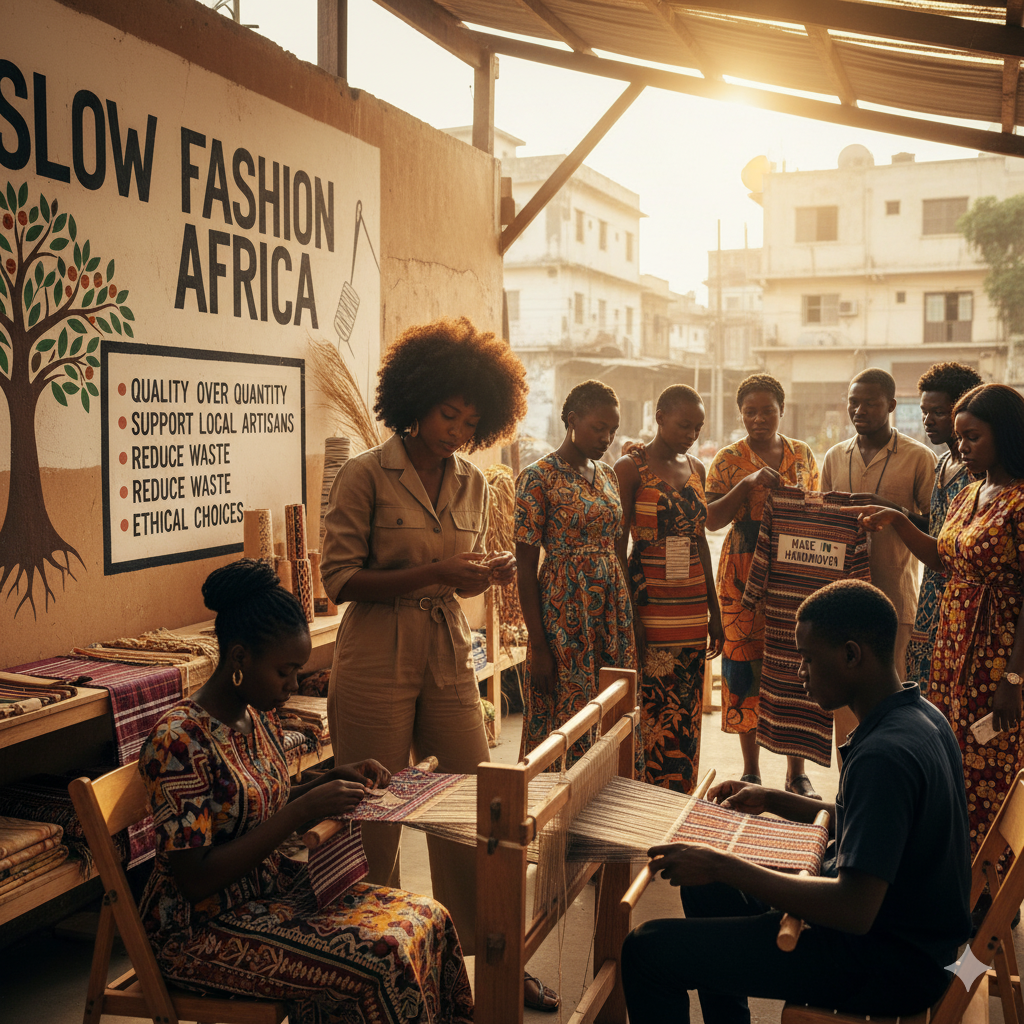
In a world saturated with fleeting trends and disposable clothing, a powerful, conscious shift is taking place. The conversation is moving from “What’s new?” to “What lasts?” This is the heart of the slow fashion movement—a commitment to quality, ethics, and mindfulness in what we wear.
For Africa, this isn’t just a global trend; it’s a return to our roots. At Ikrest, we believe that sustainable style is deeply interwoven with our heritage. Let’s explore how you can build a beautiful, responsible wardrobe that honors both the planet and profound artistry.
Slow Fashion: A Philosophy, Not Just a Trend
Slow fashion is the intentional choice to value quality over quantity. It’s about:
- Mindful Production: Creating garments in a way that respects the environment and the people who make them.
- Artisanal Craftsmanship: Celebrating the skill and time behind each piece, from hand-weaving to natural dyeing.
- Timeless Design: Investing in versatile, well-made pieces that transcend seasonal fads.
- Cultural Preservation: Supporting techniques and traditions that are at risk of being lost.
The African Roots of Slow Fashion
Long before the term “slow fashion” was coined, African textile traditions were inherently sustainable. Our ancestors:
- Used Natural Materials: Fabrics like pure cotton, silk, and linen are biodegradable and sourced from the earth.
- Embraced Artisanal Techniques: Methods like Adire (tie-dye), Aso Oke weaving, and Kente cloth production are slow, deliberate processes that cannot be rushed.
- Valued Garment Longevity: Clothes were cherished, repaired, and often passed down through generations as heirlooms.
The modern slow fashion movement in Africa is, in many ways, a reclamation of this wise and respectful approach to dressing.
How to Be a Conscious Consumer: Your 5-Step Guide
Building a slow fashion wardrobe is a journey. Here’s how you can start making a difference with your choices.
1. Invest in Quality & Timelessness
The “Cost Per Wear” Rule: A cheap, fast-fashion item might seem like a bargain, but if you only wear it a few times, the cost per wear is high. A more expensive, well-made Ikrest piece that you wear for years offers far better value.
- Action Tip: Before buying, ask yourself: “Will I wear this at least 30 times?” and “Does this reflect my personal style, beyond just this season’s trend?”
2. Know Your Fabrics & Their Footprint
The fabric is the foundation of a garment’s sustainability.
- Embrace Naturals: Opt for organic cotton, linen, hemp, and Tencel™. These materials are biodegradable, breathable, and have a lower environmental impact than synthetics.
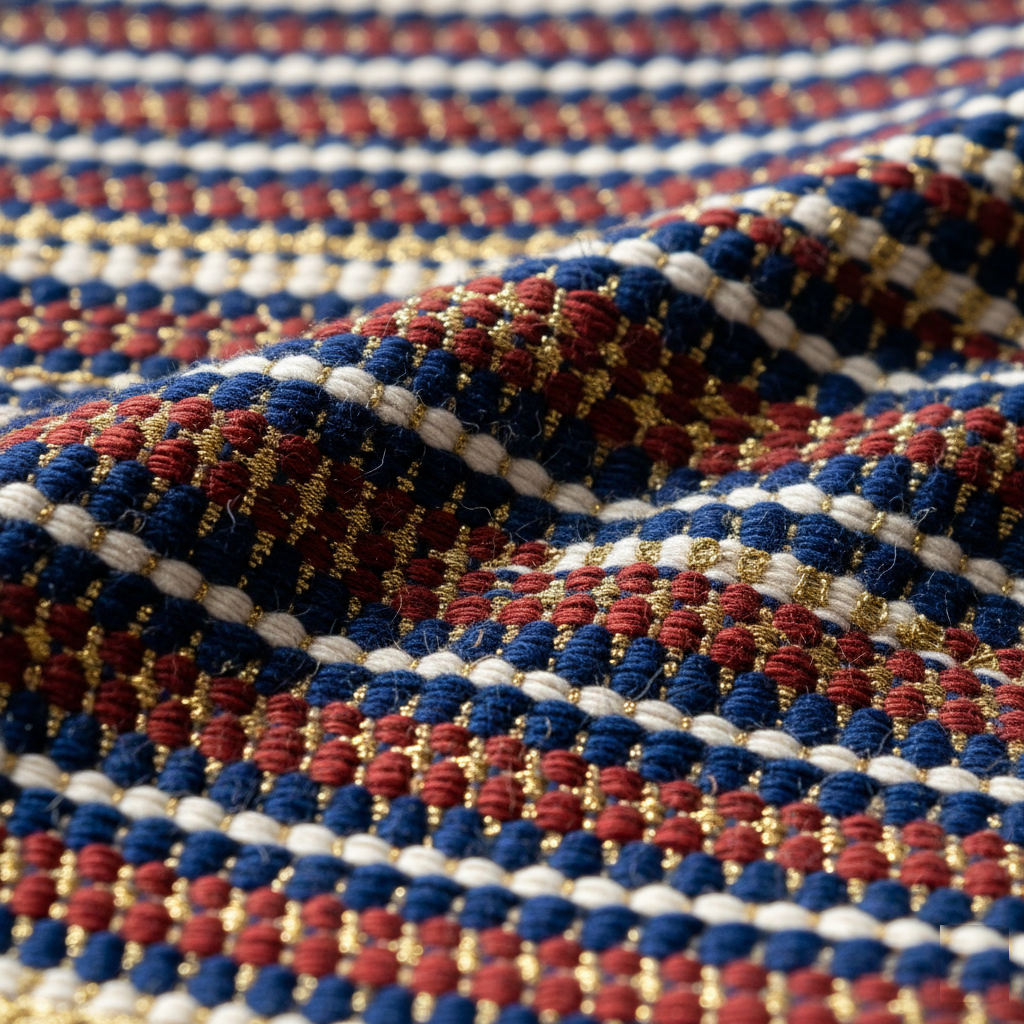
- Celebrate Heritage Textiles: Fabrics like Adire, Aso Oke, and Bogolan (Mudcloth) are handcrafted, using techniques that consume less energy and support local artisans.
- Ikrest’s Commitment: We prioritize natural, sustainably sourced fabrics and work with artisans to preserve these incredible textile arts.
3. Support Brands That Tell a Story
Look beyond the garment to the brand’s mission. Who made your clothes? What is their story?
- Transparency is Key: Support brands that are open about their production processes and supply chains.
- Support Artisan Communities: By choosing brands that collaborate with local weavers, dyers, and embroiderers, you are directly supporting livelihoods and preserving culture.
- The Ikrest Story: We are dedicated to ethical production. Our pieces are crafted in limited runs, and we partner with Nigerian artisans to infuse modern designs with traditional soul, ensuring every piece has a positive impact.
4. Master the Art of Care
How you care for your clothes dramatically extends their life.
- Wash Less, Air More: Often, airing out a garment is enough. Wash only when necessary to conserve water and reduce fiber breakdown.
- Use Cold Water & Eco-Friendly Detergents: This saves energy and is gentler on fabrics.
- Learn Basic Mending: A loose button or small seam tear doesn’t mean the end of a garment. Embracing simple repairs is a core tenet of slow fashion.
5. Reimagine, Restyle, and Relove
The most sustainable garment is the one already in your wardrobe.
- Style Creatively: Fall in love with your clothes again by styling them in new ways. A dress can become a tunic. A skirt can be layered over trousers.
- The Circular Economy: When you’re ready to part with a piece, consider swapping with friends, selling it online, or donating it responsibly.
The Ikrest Promise: Style with a Story, Fashion with a Future
For us, slow fashion is not a marketing buzzword; it’s our blueprint. It’s in the hand-spun thread of our Aso Oke details, the natural indigo of our Adire collections, and the timeless silhouettes we design to be loved for years.
When you choose Ikrest, you are not just buying a piece of clothing. You are investing in a narrative—one of cultural pride, environmental respect, and human dignity. You are choosing to look good, feel good, and do good.
Your wardrobe is a reflection of your values. Make it a beautiful, conscious, and enduring one.
Explore the Ikrest collection and discover pieces designed to last, both in style and in spirit.
Join the Conversation! What does slow fashion mean to you? Share your tips for building a conscious wardrobe and tag your timeless #IkrestStyle looks on Instagram. Let’s inspire each other.